


Sitting has become part of everyday life for millions of people. Work, driving, studying, streaming, phone use, and screen-based routines can all keep the body in the same position for hours at a time. Over time, that pattern may affect how the neck, shoulders, back, and hips feel during normal daily movement.
For many adults, the problem is not one single bad posture moment. It is the repeated daily habit of sitting with rounded shoulders, a forward head position, tight hips, and limited movement breaks. These small patterns can build up slowly and may leave the body feeling stiff, tired, or uncomfortable by the end of the day.
This is one reason posture support tools, desk wellness routines, mobility breaks, and at-home comfort products are getting more attention. People are looking for practical ways to support better daily habits without completely changing their lifestyle overnight.
Why Sitting Can Change The Way Your Body Feels
When you sit for long periods, the body often settles into positions that feel comfortable in the moment but may not support balanced alignment for hours. The shoulders may roll forward, the upper back may round, and the head may move closer to the screen.
Over time, this can make certain muscles work harder while others become less active. The result may be a feeling of tightness, reduced flexibility, neck pressure, shoulder fatigue, or general discomfort during everyday movement.
The Desk Lifestyle Effect
Many people now spend a large part of the day seated. Even active people can feel the effects of long sitting if their work or home routine keeps them in one position for too long.
A common pattern includes sitting at a computer, looking down at a phone, driving, then relaxing in another seated position later in the evening. Without enough movement variety, the body may not get the regular posture changes it needs.
Posture support products should be seen as helpful wellness tools, not medical treatment. If discomfort is severe, persistent, or unusual, it is best to speak with a qualified healthcare professional.
Simple Habits That May Help Daily Comfort
Small changes can make a meaningful difference in how the body feels throughout the day. Standing up regularly, adjusting screen height, relaxing the shoulders, taking short walking breaks, and adding gentle mobility work may all support better daily comfort.
The goal is not perfect posture every second. A more realistic goal is movement variety. The body usually feels better when it is not locked into the same position for hours.
This is also why many adults are exploring posture-focused wellness products. These tools may serve as reminders, supports, or comfort aids during daily routines.
A Posture Support Product That Caught Our Attention
While researching desk lifestyle comfort and posture-support products, the SanovitaCare Product Research Team came across the Kizu Spine Posture Corrector — a wearable support tool designed to help encourage better posture awareness during everyday routines.
View Product Review →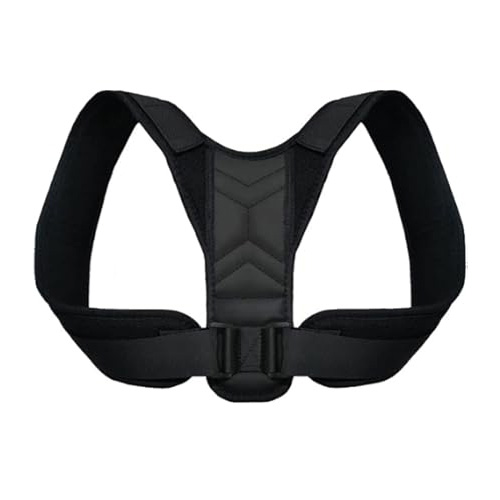
Kizu Spine Posture Corrector
What To Look For In A Posture Support Product
Before choosing a posture support product, look at comfort, adjustability, material quality, ease of use, sizing, customer feedback, and how realistic the product claims are. A good product should support better awareness without feeling overly restrictive.
It is also important to remember that posture tools work best alongside regular movement, strengthening, stretching, and healthier desk habits. No single product should replace a complete daily wellness routine.
Final Thoughts
Sitting too long may affect daily comfort because the body was not designed to stay in one position all day. Small posture changes, movement breaks, and supportive wellness tools may help people become more aware of how they sit, move, and recover throughout the day.
As modern work habits continue to change, SanovitaCare will keep researching posture support tools, comfort routines, and healthy living products that may help people make smarter wellness choices.